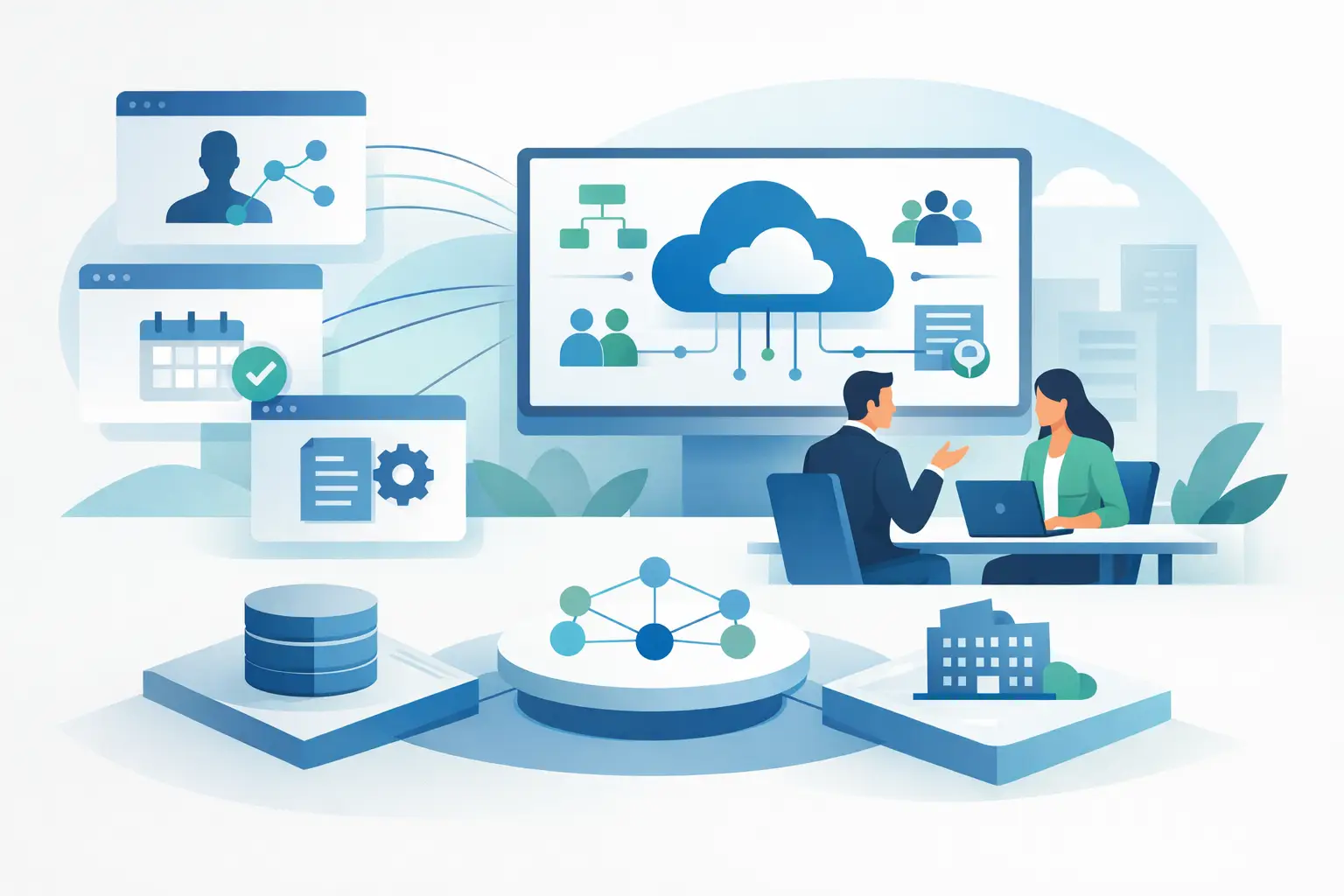
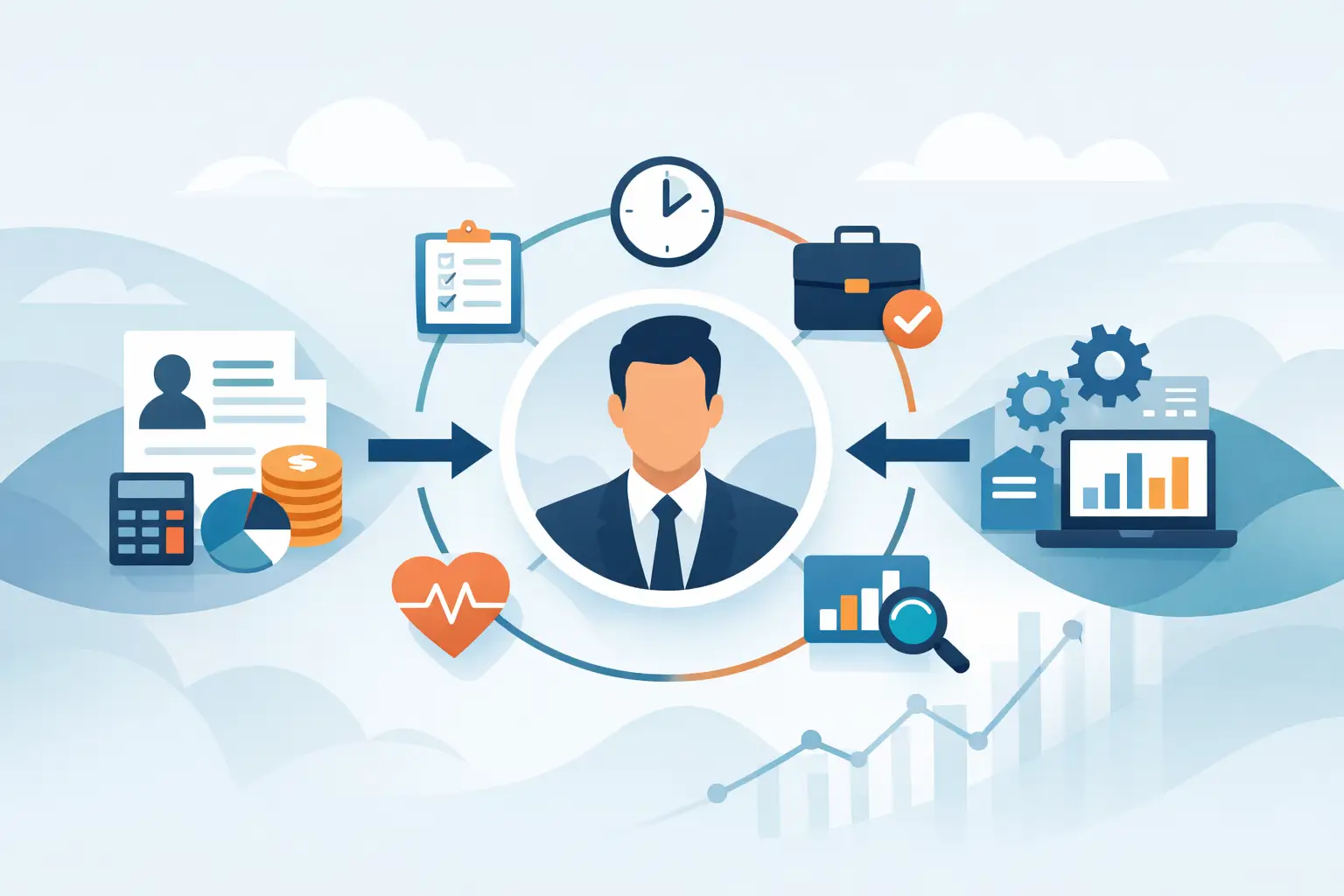
When a manager wants to understand an employee's employment status, job cost, seniority, organizational unit and performance history, the answer should not be contacting three officials and searching four systems. Integration between payroll and ERP creates one operational database that allows the organization to see the employee in his full context - people, roles, costs and processes.
The connection is not only a technical matter. It affects the quality of decision-making, the working times of human resources, the control ability of managers and the reliability of the data presented to management. When the payroll systems, the ERP, and the HR platform are all operating separately, even a simple process like changing a role can turn into a series of manual updates, double checks, and hard-to-find mistakes.
Why payroll and ERP data must also reach HR processes
The payroll system holds critical data about the employee: employment status, job scope, salary components, start and end dates and sometimes also organizational affiliation. The ERP system completes the picture with organizational structure, cost centers, standards, projects and financial data. Each of the sources is essential, but none alone provides a complete employee picture.
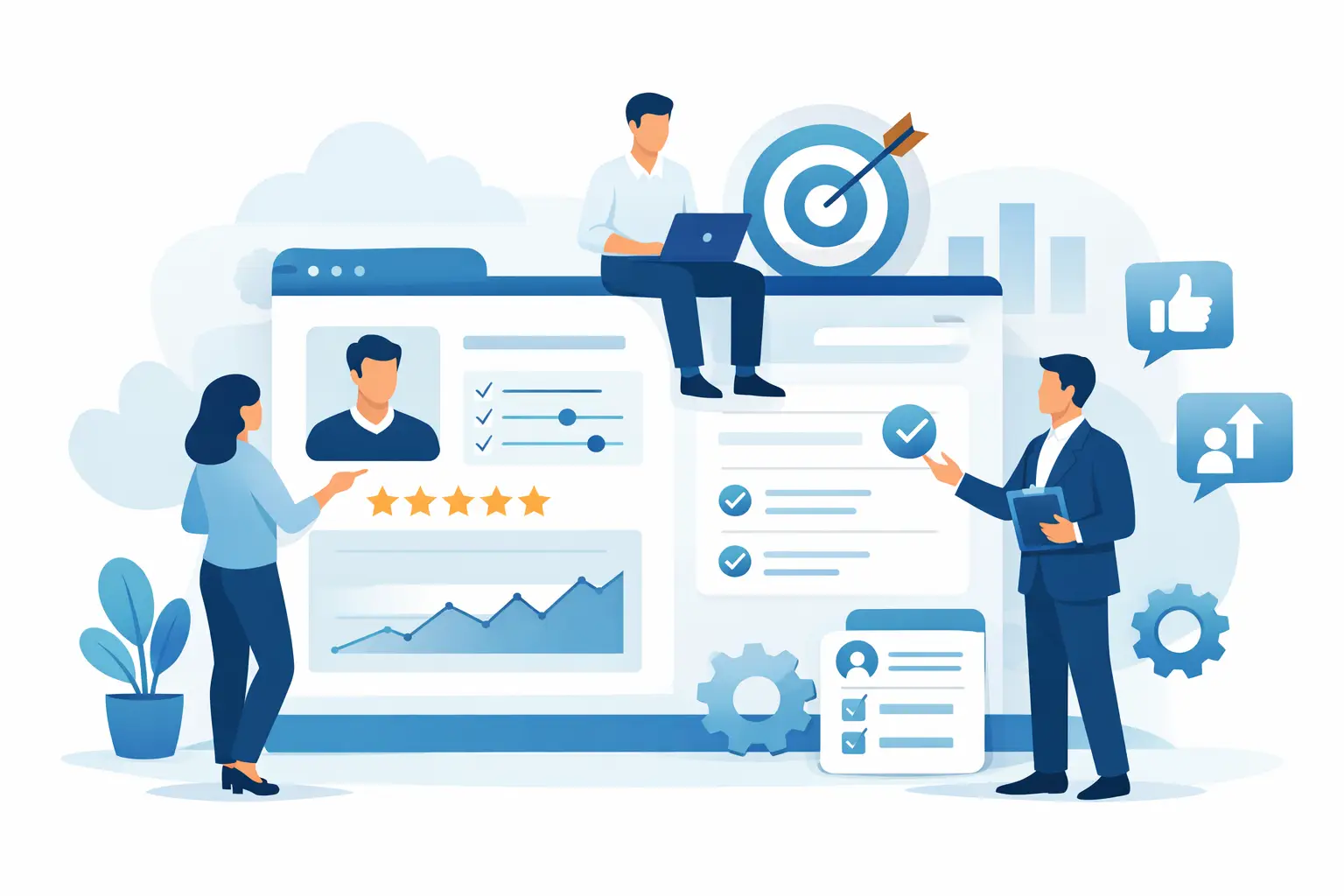
In practice, HR and managers need to act on the basis of data integration. The Performance Evaluation process, for example, takes on a different meaning when it is displayed next to the employee's role, employment period, organizational unit, and line manager definition. The absorption process requires a match between the employee's details opened in the salary and his association with the organizational structure, his privileges and the tasks defined for him in the [organizational portal] (https://www.b2e.co.il/products/employee-portal).
Without integration, data is copied between systems or manually re-entered. This creates common gaps: an employee who changed departments but remains associated with the previous manager in the evaluation system, a position that was closed in ERP but continues to appear in personnel reports, or a change in the scope of a position that does not reach the compensation and goals process. These gaps are not just an administrative nuisance. They undermine trust in data and the organization's ability to act quickly.
Integration between payroll and ERP starts with defining the source of truth
The common mistake is to start from the question of which interface should be built. The right question is which system is responsible for each given type, who updates it and how often it should be available. An organization that defines this in advance prevents duplication and reduces disputes between payroll, finance and human resources teams.
For the most part, the payroll system will be the source of truth for the employment details and salary components; The ERP will be the source of the organizational structure, cost centers and standards; And the HR platform will manage the employee life cycle processes, the digital portfolio, assessments, forms, corporate communication and automations. The exact division varies between organizations, but the principle remains constant: each data needs a defined owner and a clear synchronization path.
It is also important to distinguish between data that is displayed in the system and data that can be edited in it. It is not necessary to allow the change of every field in every system. Sometimes it is appropriate to display the scope of the job or the cost center in the administrative portal for the purpose of administrative context, but leave the update itself in the hands of the authorized party in the source system. This way you maintain control without burdening the user experience.
The data you should prioritize in the first wave
Not every integration has to start with hundreds of fields. A fast and accurate implementation usually starts with a uniform employee ID, basic employment details, job title, organizational unit, direct manager, employment status, significant dates, and cost center. These are the data that drive most HR processes and make it possible to build a reliable employee image at the very first stage.
Once the foundation is stable, it is possible to expand according to business need: attendance data, employee movements, standards, trainings, entitlements or components needed for internal reports. Gradual expansion is better than an overly broad project that tries to solve every scenario on the first day and delays the launch.
The real value is in the processes, not just transferring files
Nightly synchronization of an employee file is a start, but it is not necessarily an integration that produces operational value. The value is created when a change in data triggers a correct business action. When a new employee appears in the payroll system, you can open a digital employee file for him, assign reception tasks, add him to relevant communication groups and send reminders to the manager to perform required actions.
In the same way, a manager change in the ERP can update the approval chain, transfer the open tasks to the new employee, and make sure that the periodic evaluation reaches the right management party. Ending the deal can trigger an orderly process of returning equipment, closing privileges, preserving documents and sending tasks to the relevant parties. Instead of relying on memory and emails, the organization operates a consistent and documented process.
Here the advantage of an integrated platform is particularly noticeable. B2E can receive data from payroll and ERP systems and use it within the employee file, evaluation processes, forms, corporate portal and automations. The data does not remain in the reporting layer - it becomes a trigger that drives work.
What is required for the integration to remain reliable over time
A successful integration does not end with going live. Source systems change, organizational structures are updated, new fields are added and business processes receive exceptions. Therefore, an operational mechanism must be built that will allow the organization to identify problems and deal with them before they become wide data gaps.
First, an unambiguous match of identifiers is required. An employee's name is not sufficiently identifiable because it may change or appear in different forms. A permanent employee ID, along with rules for handling repeat employees, double jobs and in cases of status change, is a basic condition for reliable synchronization.
Second, the update frequency must be decided according to the process. A salary change does not necessarily have to go in real time to every organizational screen. On the other hand, a change of manager, start of work or termination of employment may require an immediate update to avoid permission gaps and incorrect approval processes. The choice between real-time synchronization, periodic updating or file transfer depends on the level of urgency, the technological complexity and the cost of maintenance.
Third, a clear control screen is required. Operations staff need to know which records failed to sync, what the reason is, who is responsible for the correction, and what the treatment status is. Without exception handling, even a well-designed interface will accumulate partial data over time. Control is not only a task of the IT team - it is part of the ongoing responsibility of the owners of the business process.
Information security and permissions: display context without revealing excess information
Payroll data is sensitive, so proper integration does not mean that every data is available to every manager. The goal is to provide the information required to perform a role, while maintaining a clear separation of privileges. A manager may need the employment status, seniority and job scope, but not necessarily a breakdown of salary components. The finance team may need cost center and benchmark data, but not performance appraisal documents.
Authorization model should be based on role, organizational unit, management chain and type of operation. Beyond viewing, it is necessary to define who can initiate a change, who approves it and what is recorded in the activity log. In large enterprise environments, such documentation is both a management and compliance tool.
The cloud infrastructure is also important. A system that centralizes information from employees and core systems should provide security, availability, backup and access management that are appropriate for the organization. However, a good infrastructure does not replace proper definitions of processes and permissions. Both layers must work together.
How to measure success after implementation
The first measure is not the number of records passed through the interface, but how much manual work has disappeared. You should examine the time required to open a new employee, update an organizational change, prepare a personnel report or locate a document in the employee's file. When the integration works well, these processes are shortened and teams devote time to professional work instead of coordinating data.
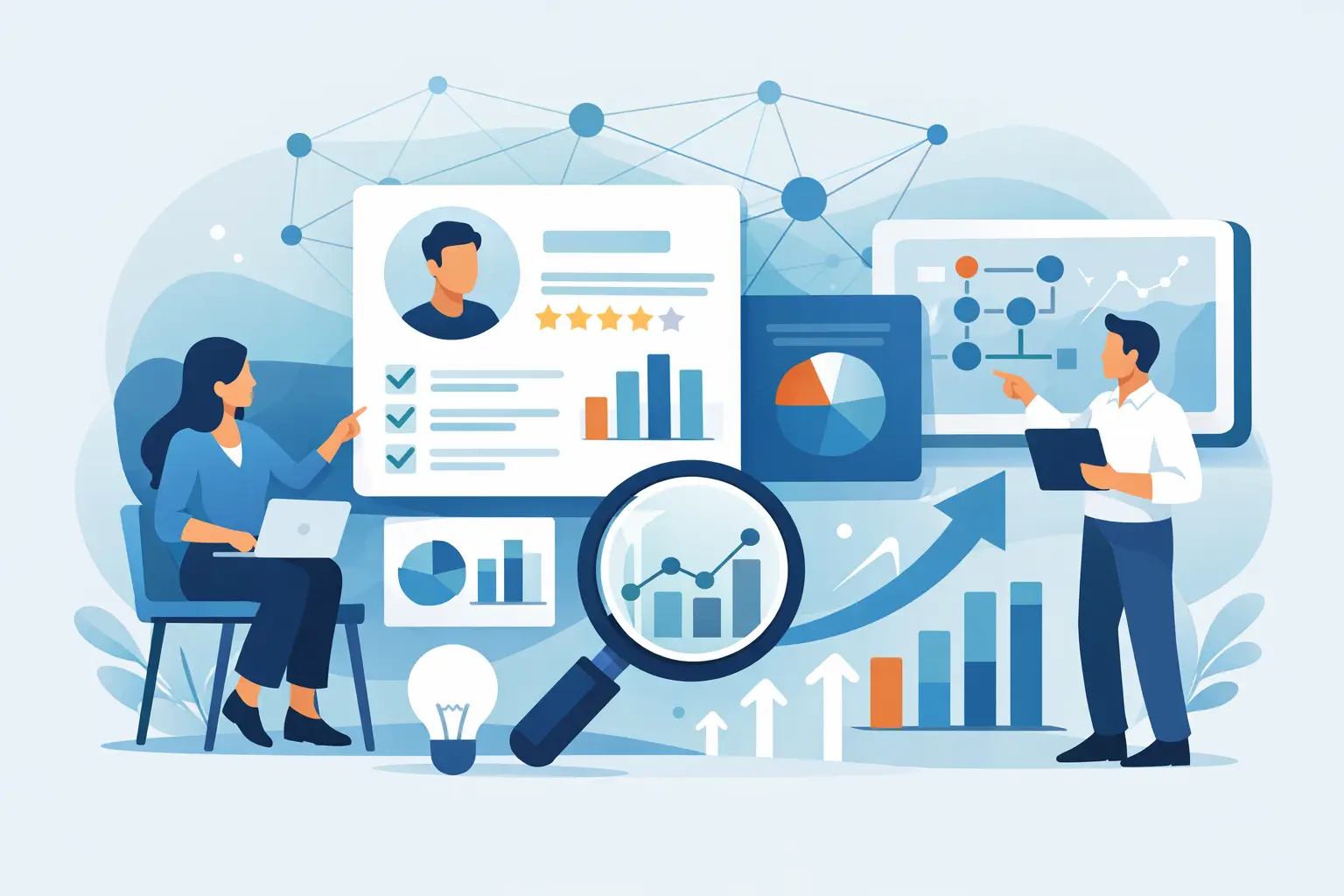
Another measure is the quality of the data. You can track the number of exceptions, the percentage of records without a manager or cost center, gaps between systems, and the time taken to handle synchronization failures. The completion rate of absorption processes and performance evaluations can also testify to the quality of the connection, because these processes rely on accurate employee data and organizational structure.
Finally, you should check the experience of the managers. If a manager still has to ask for input from multiple parties before a feedback call or staffing decision, the integration may exist on a technical level but has not solved the business problem. The test is whether the right information appears to the right person, at the time when he needs to act.
Proper integration is not a project that aims to connect systems for the sake of connecting. It is an operational decision that allows the organization to transform transaction data, structure and costs into a consistent and controlled operation. With this foundation well built, the HR team can spend less time chasing data and more time managing the people and processes that move the organization forward.